Ibis Solutions & Mycom Partnership for Service Assurance in EMEA
As a company committed to the continuous development and advancement of digital solutions, particularly in the telecommunications industry, Ibis Solu...
Read more


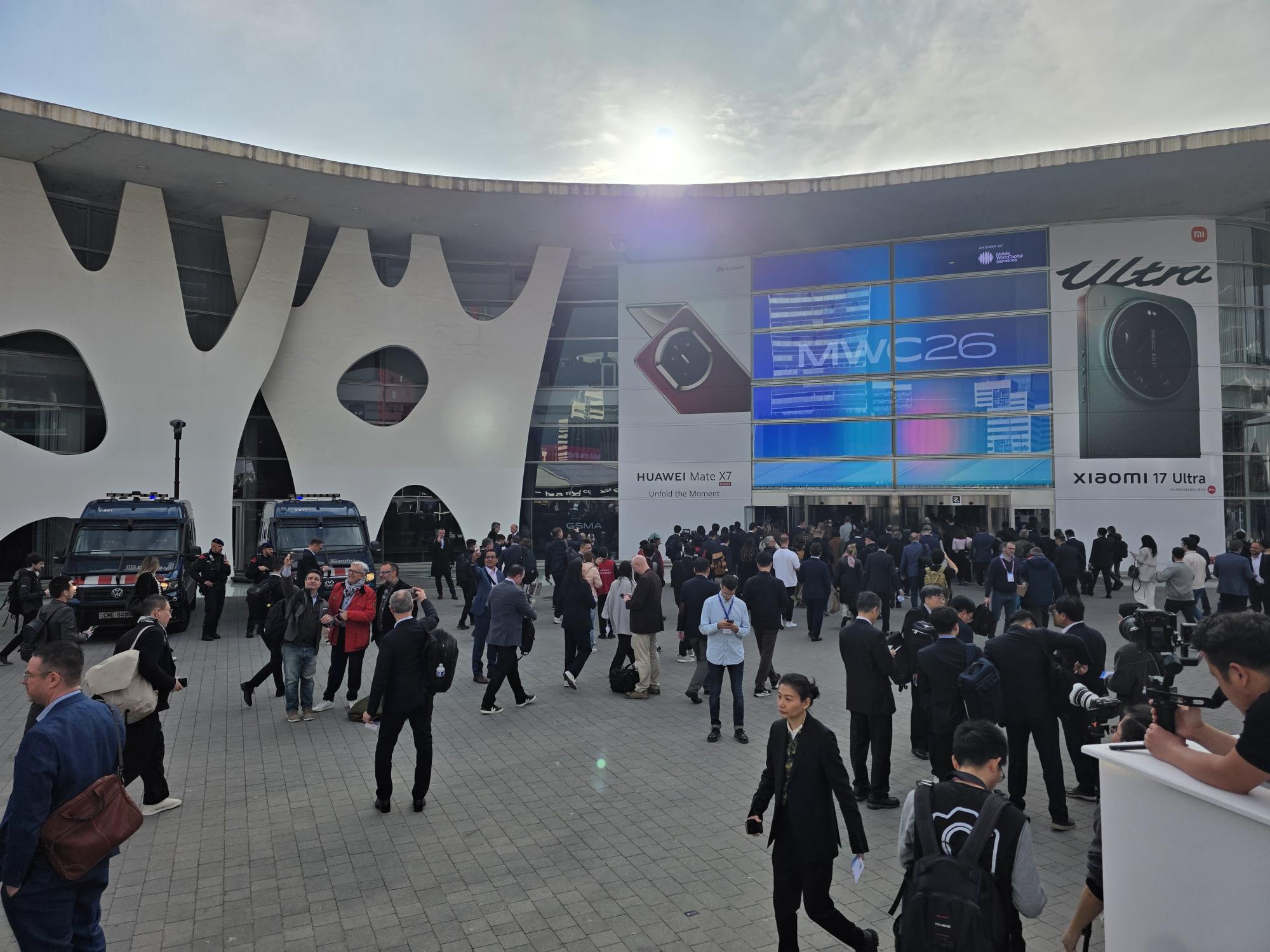
Mobile World Congress (MWC) is the world’s largest and most influential event dedicated to mobile communications and digital technologies, organized annually in Barcelona by the GSMA. MWC is not only a place where new technologies and products are showcased, but also where key directions for the development of the telecom industry are defined through discussions, partnerships, and business initiatives.
The discussions and presentations at this year’s MWC Barcelona 2026 highlighted a significant shift in focus within the telecom sector. While in previous years the emphasis was primarily on building new generations of networks, increasing attention is now being given to platforms and software solutions that make these networks more intelligent and flexible. This shift – from connectivity itself toward intelligent network management systems and the development of digital services – was one of the key themes of this year’s conference.
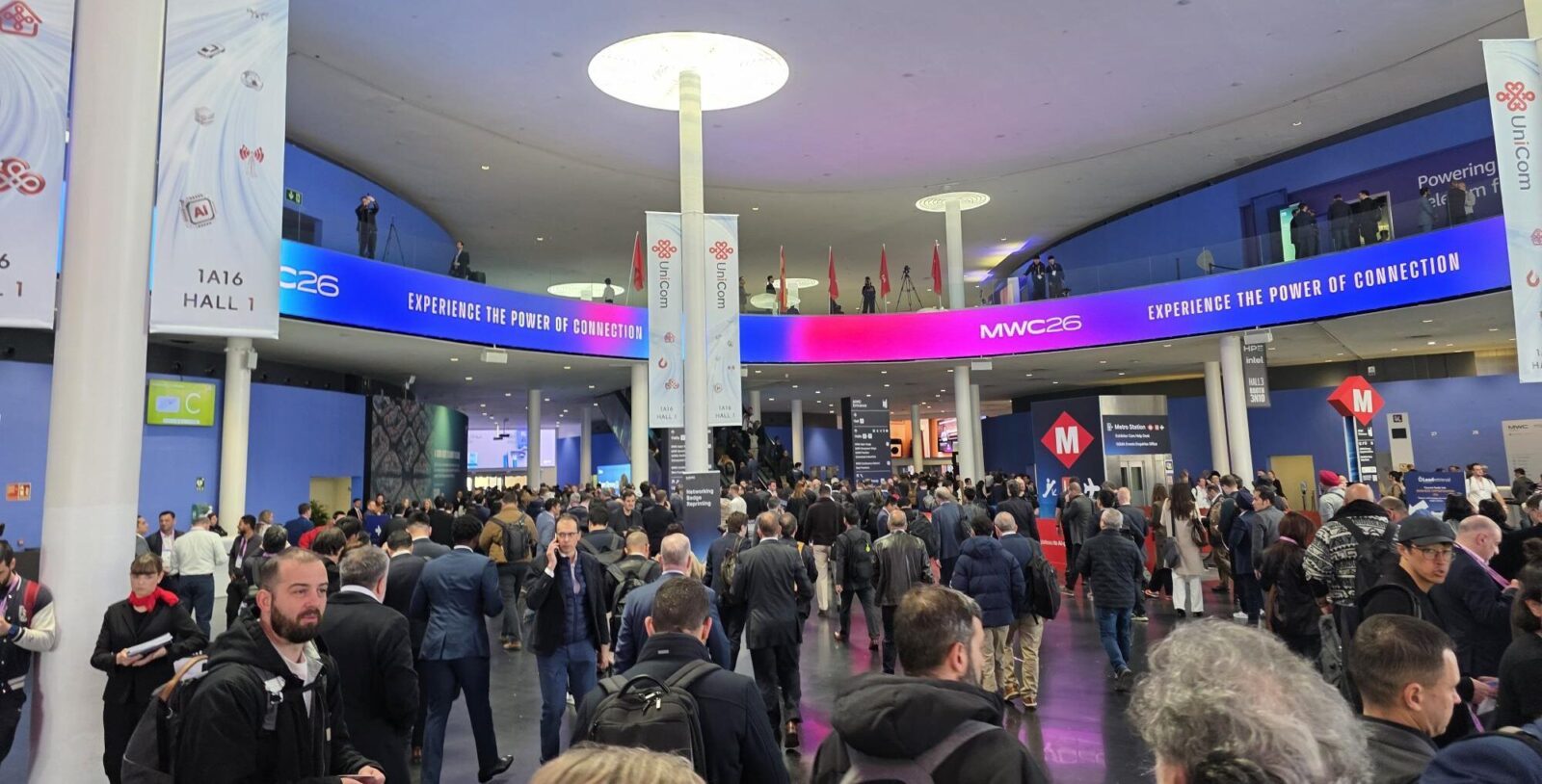
This year’s conference placed strong emphasis on technologies that are defining the next phase of telecom infrastructure development. The implementation of 5G Advanced technologies and the first initiatives toward future 6G networks are already becoming part of the long-term strategies of operators and technology companies. At the same time, Open RAN architectures are increasingly positioning themselves as a key element of a more open and interoperable telecom ecosystem.
In parallel, cloud-native infrastructure and edge computing are transforming the way networks are designed, deployed, and operated. These changes point to a broader transformation of the telecom industry – networks are no longer just infrastructure for data transmission, but are becoming the technological foundation for the development of new digital services, industrial applications, and advanced business models.
The role of artificial intelligence in telecom network management was one of the most prominent topics at this year’s MWC. Unlike previous years, when AI solutions were mostly presented as concepts or pilot projects, the emphasis this time was on their practical application in the everyday operational processes of telecom operators.
As telecom infrastructures become increasingly complex and distributed, concepts such as AIOps and autonomous networks are gaining importance. Operators today manage cloud-native environments that involve a large number of technologies, platforms, and vendors, significantly increasing operational complexity. In such an environment, automation, advanced analytics, and AI-driven systems are becoming essential tools for efficient network management, performance optimization, and faster resolution of operational issues.
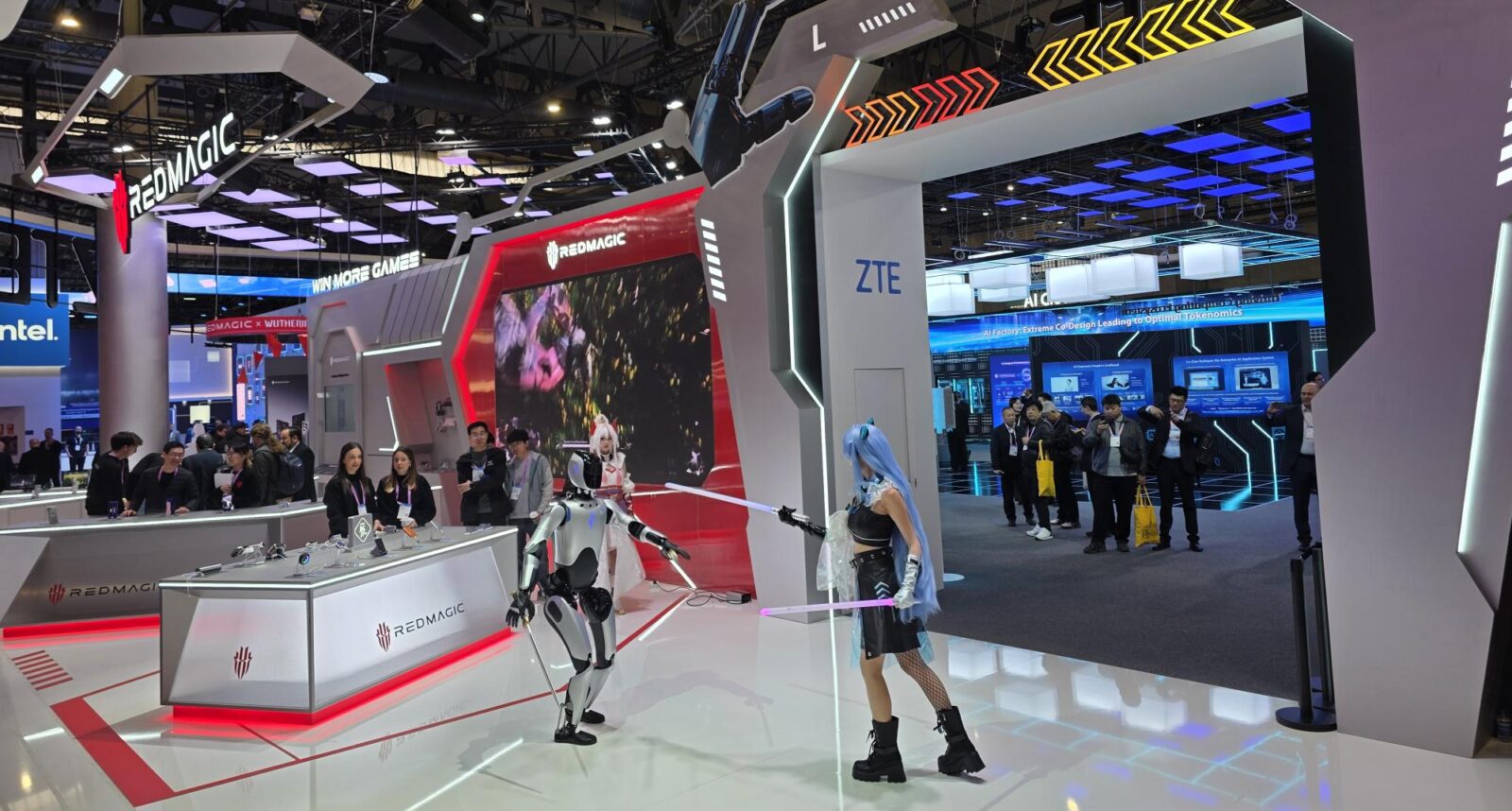
MWC Barcelona 2026 demonstrated that the monetization of 5G networks is becoming just as important as their deployment. After major investments in infrastructure, the focus is increasingly shifting toward sustainable business models and concrete applications in enterprise environments. Particular attention was given to the enterprise sector, industry, energy, and transportation – where technologies such as private 5G networks, IoT infrastructure, and edge computing enable new models of automation, real-time analytics, and operational optimization.
For telecom operators, this means a gradual transition from the traditional model of providing connectivity toward the role of technology partners that develop digital platforms and infrastructure for industrial transformation.
The key messages from MWC Barcelona 2026 clearly indicate that the next phase of telecom industry development will not be defined solely by the deployment of new generations of networks, but by the development of intelligent systems that manage these networks and enable the emergence of new digital ecosystems.